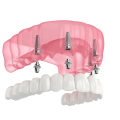
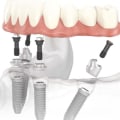
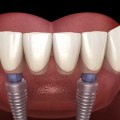
The All-on-Four dental implant procedure has become a popular solution for individuals seeking to restore an entire arch of teeth using a limited number of strategically placed implants. While much attention is often given to the surgical placement of implants and the final restoration, temporary prosthetics play an equally important role in the overall treatment process. These provisional restorations are not merely placeholders; they serve multiple functional, aesthetic, and clinical purposes that contribute significantly to treatment success. By helping patients maintain normal daily activities while the implants heal and integrate with the jawbone, temporary prosthetics support a smoother and more predictable transition toward the final permanent restoration.
Maintaining Function During the Healing Phase
One of the primary benefits of temporary prosthetics is their ability to restore basic oral function immediately after implant placement. Patients undergoing the All-on-Four procedure often transition from missing or severely compromised teeth to a functional temporary prosthesis within a relatively short period. This allows individuals to speak more clearly, smile confidently, and perform many normal daily activities during the healing phase. Without temporary restorations, patients could experience considerable challenges related to communication, eating, and social interactions. Although temporary prosthetics are not designed to withstand the same forces as permanent restorations, they provide essential support while the implants undergo the biological process of osseointegration, during which the implants fuse with the surrounding bone.
Supporting Aesthetic Confidence
The emotional and psychological aspects of tooth replacement should not be underestimated. Many patients pursue All-on-Four treatment because missing or damaged teeth have affected their confidence and quality of life. Temporary prosthetics help address these concerns immediately by restoring the appearance of a complete smile. Rather than waiting several months for a final restoration, patients can leave the surgical phase with teeth that allow them to maintain a natural appearance during recovery. This immediate aesthetic benefit often helps patients feel more comfortable in social and professional settings while progressing through treatment. Restoring confidence early in the process contributes positively to the overall patient experience and satisfaction.
Providing Valuable Clinical Feedback
Temporary prosthetics also serve an important diagnostic and planning function for the dental team. During the healing period, clinicians can evaluate how the provisional restoration performs under everyday conditions. Factors such as bite alignment, speech patterns, comfort, aesthetics, and overall function can be assessed and adjusted as needed. This real-world feedback provides valuable information that helps guide the design of the final prosthesis. Practices such as Sydney Implant Studio often recognize the importance of using the temporary phase as an opportunity to refine treatment outcomes and ensure that the final restoration is optimized for long-term success. Adjustments made during this stage can contribute to improved comfort and functionality once the permanent prosthesis is delivered.
Protecting the Healing Implants
Another critical role of temporary prosthetics is protecting newly placed implants during the healing process. The design of provisional restorations is intended to balance functionality with the need to minimize excessive stress on the implants as they integrate with the bone. Patients are typically given dietary and care instructions to help reduce unnecessary pressure during this period. By providing controlled support while healing progresses, temporary prosthetics help create a more stable environment for successful implant integration. This protective function is a key component of achieving long-term treatment success.
An Essential Step Toward Long-Term Results
Temporary prosthetics are far more than a short-term convenience within the All-on-Four process. They play a vital role in restoring function, maintaining appearance, gathering clinical insights, and supporting proper healing. By bridging the gap between surgery and the final restoration, these provisional solutions help ensure that patients remain comfortable and confident throughout treatment. Their contribution to both patient experience and clinical outcomes makes them an indispensable part of the journey toward a fully restored smile and long-term implant success.