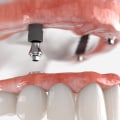
Full-arch implant-supported dentures have transformed the way many people restore their smiles after extensive tooth loss. Unlike traditional removable dentures, these restorations are anchored to dental implants, providing greater stability, improved chewing function, and enhanced confidence. While patients often focus on the benefits of the treatment, the adaptation process can involve challenges that are not always discussed in detail. Even when the procedure is highly successful, adjusting to a full-arch implant-supported denture requires physical, functional, and emotional adaptation. Understanding these hidden challenges helps patients develop realistic expectations and better prepare for the transition toward long-term oral rehabilitation.
Learning to Use a New Bite
One of the most common adjustment challenges involves adapting to a new bite relationship. Many patients seeking full-arch implant-supported dentures have spent years coping with missing teeth, failing dentition, or unstable removable dentures. During that time, the body often develops compensatory chewing habits and muscle patterns. Once a new full-arch restoration is placed, patients must relearn how to bite, chew, and distribute pressure more evenly throughout the mouth. Although implant-supported dentures provide excellent stability, the muscles of the jaw and face may require time to adapt to the new functional dynamics. This learning process can feel unusual at first, even when the restoration is functioning exactly as intended.
Changes in Speech and Oral Awareness
Another frequently overlooked aspect of adaptation is speech adjustment. The tongue plays a critical role in pronunciation and naturally interacts with the teeth and surrounding oral structures during speech. When a full-arch prosthesis is introduced, the contours of the mouth change, and the tongue may initially need time to adjust. Certain sounds may feel different to pronounce, and patients may notice temporary changes in speech clarity. In addition, the overall sensation of having a fixed restoration can feel unfamiliar, particularly for individuals who have lived with missing teeth or loose dentures for an extended period. Most patients gradually adapt, but the process often requires patience and practice.
Psychological and Emotional Adjustments
The transformation associated with full-arch implant-supported dentures extends beyond physical changes. Many patients experience emotional adjustments as they become accustomed to a dramatically different appearance and improved oral function. While the restoration often delivers positive outcomes, some individuals require time to reconcile the difference between their previous smile and their new one. Looking in the mirror, smiling confidently, and engaging in social situations may feel surprisingly different after treatment. Practices such as Significant Smiles often recognize that successful outcomes involve supporting both the physical and emotional aspects of the patient experience. Building confidence with a new smile can be a gradual process rather than an immediate transition.
Maintenance Expectations Can Be Surprising
Some patients assume that implant-supported dentures require little maintenance because they are fixed in place. In reality, maintaining these restorations remains an important part of long-term success. Daily cleaning routines, regular professional evaluations, and proper oral hygiene practices are essential for protecting both the implants and surrounding tissues. Patients may need to learn new cleaning techniques and adapt to maintenance schedules that differ from their previous dental experiences. Understanding these responsibilities is an important part of the adaptation process and helps support the longevity of the restoration.
Patience Plays a Key Role
Adapting to a full-arch implant-supported denture is rarely an overnight process. Improvements in stability, appearance, and function often occur immediately, but the body and mind still need time to adjust. Chewing patterns, speech habits, muscle coordination, and self-perception all undergo a period of change. Patients who approach treatment with realistic expectations are often better prepared to navigate these temporary challenges and appreciate the long-term benefits of their new restoration.
A Journey Toward Long-Term Success
Full-arch implant-supported dentures provide remarkable opportunities for restoring oral function and quality of life. However, the adaptation process involves more than simply receiving a new set of teeth. Physical adjustments, emotional transitions, and new maintenance routines all contribute to the overall experience. By understanding these hidden challenges and working closely with their dental team, patients can successfully navigate the adjustment period and enjoy the long-term advantages that implant-supported restorations are designed to provide.